
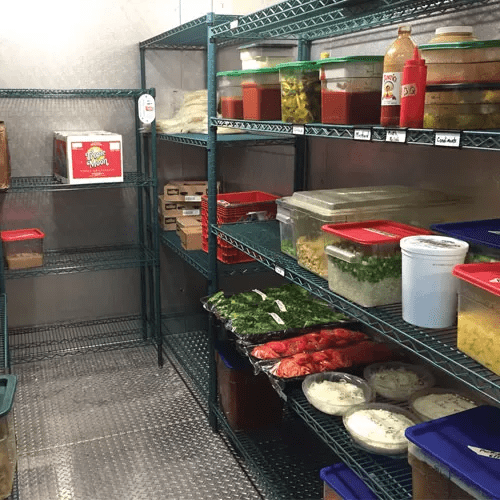
Whether you are running a bustling restaurant in downtown Lubbock, managing a school cafeteria, or overseeing a local grocery store, food safety is the cornerstone of your business. While clean hands and properly sanitized surfaces are vital, there is an invisible hero working 24/7 behind the scenes to keep your customers safe: commercial refrigeration.
Refrigeration is much more than a convenience—it is a critical public health tool. Understanding the precise role your coolers and freezers play in food safety, and knowing how to keep them operating perfectly, is essential for any commercial kitchen.
Here is a look at why refrigeration is so vital to maintaining food safety and how you can ensure your equipment never compromises your inventory.
The Science of the “Danger Zone”
To understand why refrigeration matters, you have to understand how bacteria grow. Foodborne pathogens like Salmonella, E. coli, and Listeria thrive in warm, moist environments.
The USDA defines the temperature range between 40°F and 140°F as the “Danger Zone.” In this temperature window, bacteria can multiply exponentially—sometimes doubling in number in as little as 20 minutes.
Commercial refrigeration acts as a pause button on this growth. By keeping cold foods consistently at or below 38°F, the metabolism of these microorganisms slows down drastically, preventing them from multiplying to dangerous levels. Freezing at 0°F or below stops bacterial growth entirely, keeping food safe for long-term storage.
Critical Refrigeration Rules for Commercial Kitchens
Simply having a walk-in cooler or a reach-in freezer isn’t enough; you must use and maintain them correctly to ensure food safety.
1. Maintain Precise Temperatures
Every degree matters. Walk-in coolers should always be calibrated to run between 35°F and 38°F. Keeping it above 40°F puts you in the Danger Zone, while dipping below 32°F can accidentally freeze and ruin fresh produce. Freezers should consistently read 0°F or lower.
-
Tip: Do not rely solely on the built-in digital display on the outside of your unit. Place independent, calibrated thermometers inside the warmest section of the unit (usually near the door) to verify accurate readings.
2. Practice Proper Airflow and Product Placement
For refrigeration to work, cold air must be able to circulate freely around every item.
-
Don’t Overcrowd: Stacking boxes tightly against the walls or overloading shelves blocks airflow, creating dangerous warm spots inside the unit.
-
The Storage Hierarchy: To prevent cross-contamination from accidental drips, always store ready-to-eat foods on the top shelves, followed by whole cuts of meat, and place raw poultry on the absolute bottom shelf.
3. Minimize “Door Hanging”
In a fast-paced kitchen, doors are constantly opening and closing. However, leaving a walk-in door propped open during prep or inventory sweeps allows hot, humid kitchen air to rush in. This spikes the internal temperature and causes moisture to condense on the ceiling and coils, which can drip onto food and create mold risks.
The Hidden Threat: Equipment Strain in the West Texas Heat
In Lubbock, our summer temperatures frequently climb into the triple digits. High ambient kitchen and outdoor temperatures force commercial refrigeration systems to work significantly harder to maintain safe internal environments.
If your condenser coils are caked in dust or your door gaskets have hidden cracks, your system might fail to hold safe temperatures during peak afternoon heat waves. This doesn’t just threaten your energy bill—it directly risks a catastrophic food safety violation or a costly inventory loss.
Protect Your Kitchen with Preventative Maintenance
The best way to ensure your refrigeration system is always protecting your customers is through a routine preventative maintenance plan. Regular professional checkups catch failing parts, clearing drain lines, and optimizing compressor efficiency before a breakdown occurs.
Don’t wait for an unexpected temperature spike or a health inspection surprise to check on your cooling systems.
Need peace of mind that your commercial cooling units are up to the task? Contact Lubbock Refrigeration today to schedule a comprehensive maintenance check and keep your kitchen running safely.
Recent Comments